Help with Washington probate and trust administration
When someone dies, the legal and financial work can feel unfamiliar, and it arrives while you’re grieving. You don’t have to do everything this week.
Prefer to talk first? Call (206) 547-1412, Monday through Friday, 9 a.m. to 4 p.m.
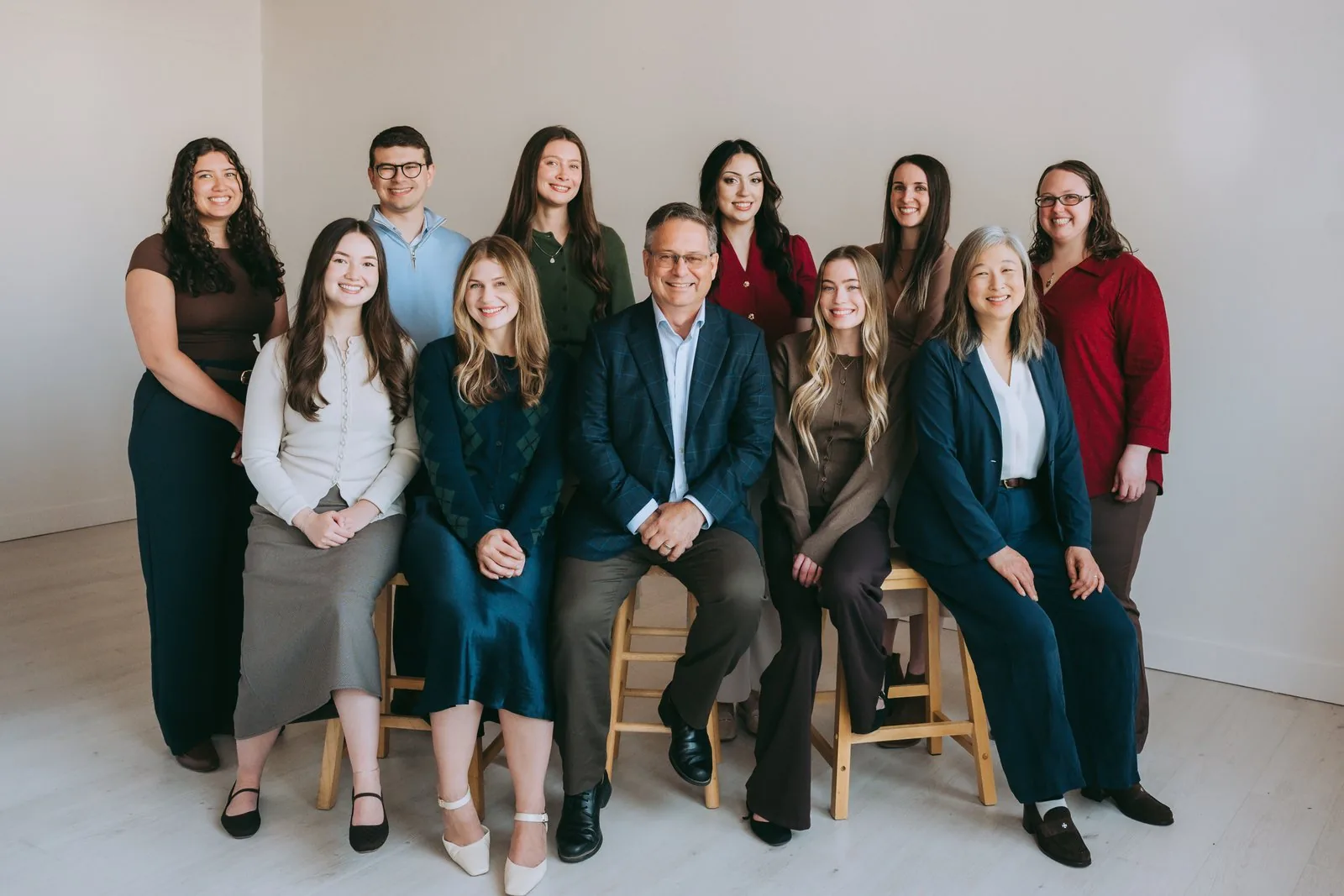
We help families, personal representatives, and successor trustees across Washington figure out which process applies, get organized, and understand the decisions ahead.
First steps after a death
If the death was recent, start with our After a loss page. It covers the first few weeks and what to expect from a first meeting.
Who we help
- Personal representatives (sometimes called executors) named in a will.
- Successor trustees stepping in under a trust.
- Family members helping either of them, or trying to work out who should act.
If you are a beneficiary, tell us who else is involved so we can say whether we are able to help.
We can work with you remotely, including from another state.
Which process applies?
Settling someone’s affairs can involve one route or several.
Probate
Probate is a court process. It can involve admitting a will and appointing a personal representative. The person named in a will generally needs court appointment before acting in that role. The court issues letters, the document that shows that authority, after its appointment order (RCW 11.28.010).
Trust administration
Trust administration means managing and distributing property under the trust’s terms. A trust doesn’t remove the work. Someone still has to find the assets, handle obligations, and keep beneficiaries informed.
Property that passes outside probate
Some property passes another way, through beneficiary designations or joint ownership. One estate may involve more than one of these routes. Sorting that out is usually the first job.
How the work usually goes
We start with the documents and ownership records. From there, the work may include:
- Confirming who has authority to act, and any court filings.
- Finding, securing, and valuing property.
- Handling notices and creditor claims.
- Coordinating income-tax and estate-tax filings.
- Keeping records, communicating with beneficiaries, and planning distributions.
- Closing the estate or trust.
Many of these steps overlap, and timing depends on the documents, claims, taxes, and what the estate holds.
Whether a Washington estate-tax return is required depends on the gross estate and the date of death. A return can be required even when no tax is due. The Department of Revenue posts the threshold, and our Washington estate tax guide walks through the current rules.
Before you pay bills or hand out property
Talk with us first about authority, valid claims, and what to hold in reserve. Paying with your own money or distributing property early can create problems that are hard to undo.
Some assets that pass outside probate still leave the recipient responsible for a share of debts, taxes, and expenses. Which assets, and how much, depend on the statute (RCW 11.18.200).
Keeping and delivering the original will
If you have the original will, do not throw it away or write on it. Within 30 days after you learn of the death, Washington law requires you to deliver it to the court or to the person named as executor. A named executor who has the will must deliver it to the court within 40 days after learning of the death (RCW 11.20.010). Bring it to the first conversation without delaying the required delivery. Delivering the will is separate from opening probate.
What to bring to the first conversation
Bring what you have. Missing pieces are normal.
- A death certificate, if you have one
- The original will, if available
- Trust documents and any amendments
- Recent account statements and property information
- A list of what feels most urgent
Tell us if there’s a vacant home, an operating business, someone who depended on the person for support, or a disagreement about the documents.
A whole firm behind you
You can work with any of our attorneys, and the whole firm’s experience stands behind the work. We have offices in Seattle and Bellevue and help clients throughout Washington.
Book a consultation to talk through the estate or trust and what needs attention first.