Could Washington estate tax affect your plan?
You’ve built assets over time. Now you want to understand potential tax exposure and how planning choices fit your life, your care, and the people or causes you support.
Seattle & Bellevue · Serving Washington statewide
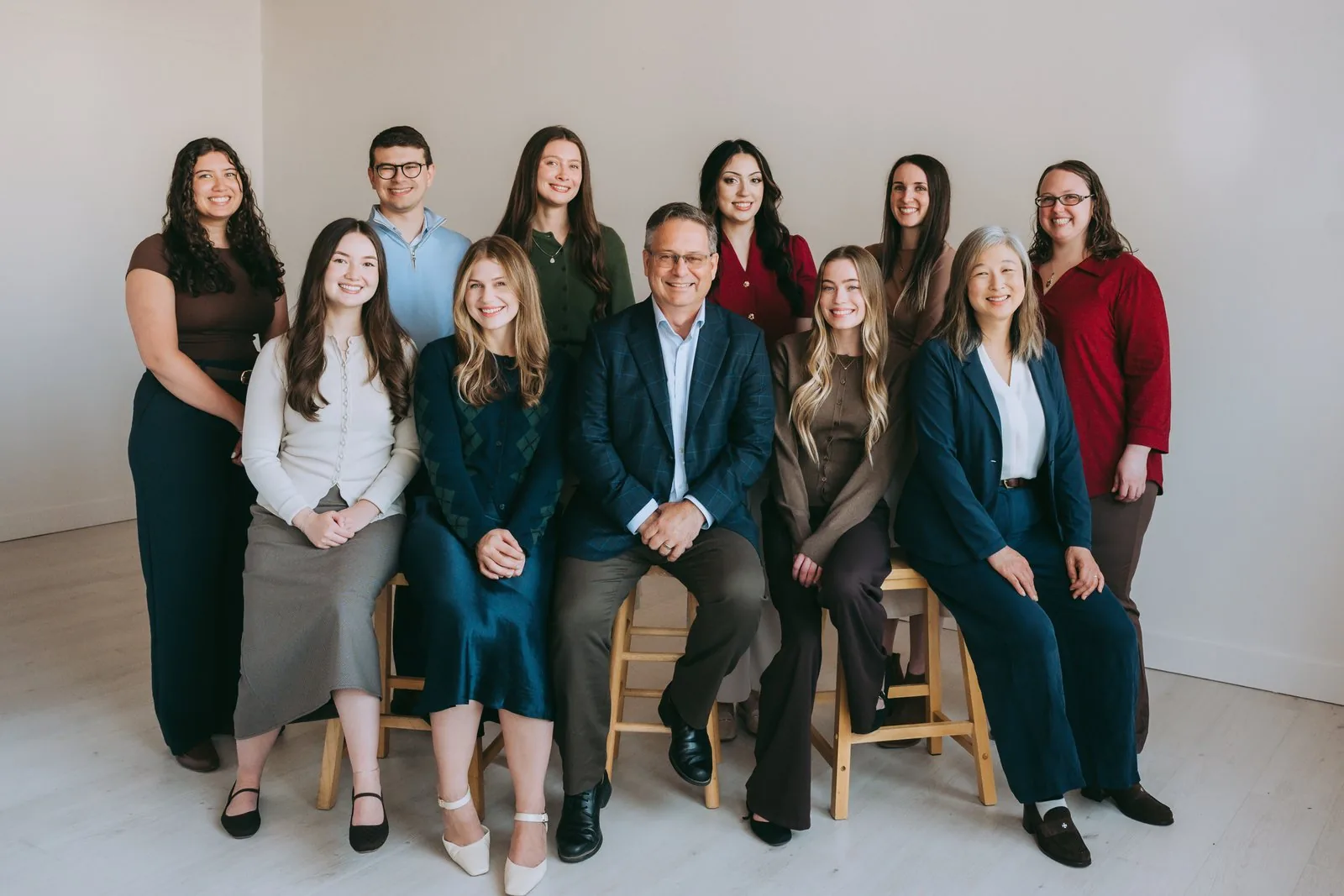
We start with your facts and your reasons for asking.
Current Washington estate tax rules
Washington estate-tax figures as of October 6, 2026. The rules that apply depend on the date of death.
Washington’s estate tax applies a $3,000,000 exemption and graduated rates of 10% to 20% for deaths on or after July 1, 2026. The exemption is not indexed for inflation. That exemption is per person. Washington does not offer federal-style portability. See the DOR estate tax FAQ. Your own facts determine whether and how the tax applies. For the details, see washingtonestatetax.com.
Assets, goals, and your existing plan
Your assets
What you own, and how it is held.
Your goals
Who and what you want to support, now and later.
Your plan
What it already says, and what it may need to say.
What we’ll focus on in your first meeting
Your priorities shape the agenda and connect it to the rest of your plan.
See the full picture.
Review property, accounts, business interests, existing documents, and how assets are held.
Put exposure in context.
Discuss Washington estate-tax rules and which facts matter to a potential exposure assessment.
Weigh choices and tradeoffs.
Consider flexibility, access to assets, beneficiary needs, and the coordination a planning choice may require.
Connect tax to the foundation.
Review who can act for you, how assets reach beneficiaries, and what your plan already addresses.
Name the documents still missing.
Identify information still needed, advisor coordination, and a proposed scope for further work.
Questions we’ll ask you
Bring your questions. You do not need every answer yet.
- What prompted you to think about estate tax now? What assets do you own, and how are they titled?
- What does your current estate plan provide? Who should benefit, and what do they need?
- How much access and flexibility do you want to keep? Which tax and financial advisors should be part of the conversation?
What you leave with
Factors that affect estate tax exposure
Understand the factors that shape an assessment and which information still needs review.
Choices to consider
A discussion of relevant options and their tradeoffs alongside your broader priorities.
A next-step agenda
Identify follow-up work, documents to gather, and the scope to discuss with the team.
An estate’s size alone does not establish tax owed. A first conversation may identify the need for further analysis. It does not predict what any estate will pay.

Featured attorney
Derek W. Jensen
Founding Partner
Derek is a tax attorney and the founder of Jensen Estate Law, who earned his law degree in 1994 and his LL.M. in Taxation in 2003; his practice covers federal and state tax planning, estate law, business law, and asset protection.
You can work with any attorney at Jensen Estate Law and still have the whole firm’s experience behind your plan.
Bring your tax questions. Keep your life in view.
Start with your reason for asking. We’ll discuss what a tax-aware planning review needs to cover.